IIoT & Maintenance 4.0 & 5.0
In a world where technology is evolving exponentially, the field of maintenance is also advancing. Maintenance 4.0 and 5.0 mark a paradigm shift in how companies manage their assets. By leveraging the power of the Industrial Internet of Things (IIoT) and digitalization, organizations can not only operate more efficiently but also contribute to sustainability and innovation.
What is Maintenance 4.0?
Maintenance 4.0 refers to the integration of advanced technologies such as sensors, artificial intelligence (AI), and big data analytics into maintenance processes. Thanks to IIoT, machines and systems can communicate with each other, generating a wealth of data about asset conditions. This data enables predictive maintenance, where failures are predicted before they occur. This reduces unexpected downtime and extends equipment lifespan.
For example, a manufacturing company can detect abnormalities in vibration patterns through real-time monitoring, indicating bearing wear. By intervening before a failure occurs, companies can save significant costs.
The rise of Maintenance 5.0
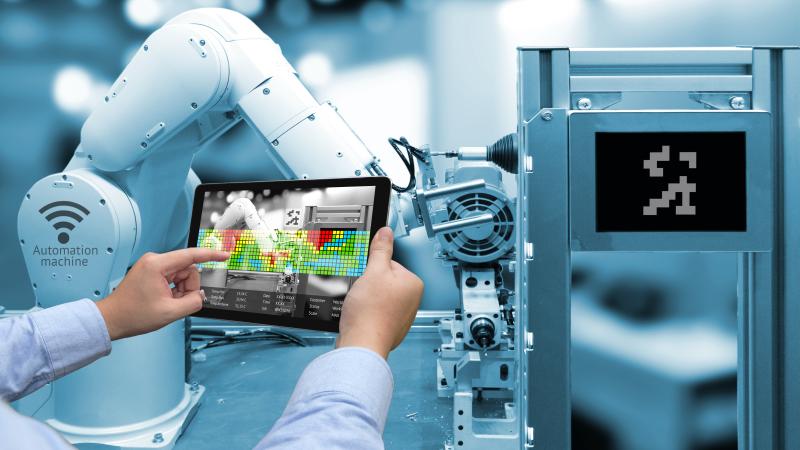
While Maintenance 4.0 emphasizes technology, Maintenance 5.0 focuses on humans as the central factor. The goal is to create a harmonious collaboration between humans and machines. With technologies such as augmented reality (AR) and cobots (collaborative robots), maintenance workers are equipped with tools that simplify their tasks.
Imagine a technician using an AR headset to receive detailed instructions and real-time data about an asset. This not only improves the speed and accuracy of repairs but also enhances workplace safety. Maintenance 5.0 also highlights soft skills such as collaboration and problem-solving, which are crucial for the success of digital transformations.
The role of IIoT in Maintenance
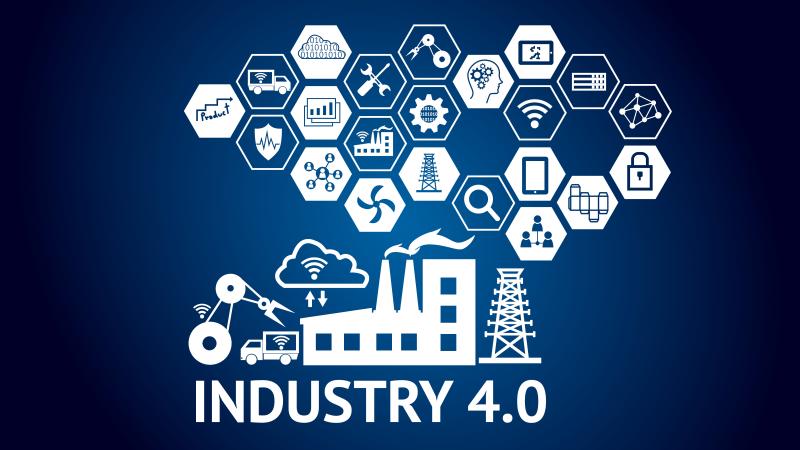
IIoT forms the backbone of both Maintenance 4.0 and 5.0. By integrating sensors into machines and systems, massive amounts of data can be collected. This data is analyzed via cloud-based platforms to generate valuable insights. IIoT enables organizations to act proactively and continuously optimize their maintenance strategies.
For instance, a utility company can gain a comprehensive overview of its energy infrastructure using IIoT. This allows weak spots to be identified before they lead to failures, improving reliability and customer satisfaction.
Why this Evolution is essential
The transition to Maintenance 4.0 and 5.0 is not a luxury but a necessity for companies that want to remain competitive. Besides efficiency improvements, these approaches contribute to sustainability goals by minimizing energy and material usage. Moreover, they enhance safety, an increasingly important pillar in industrial environments.
BEMAS Corporate Sponsors